
• TMN Editorial
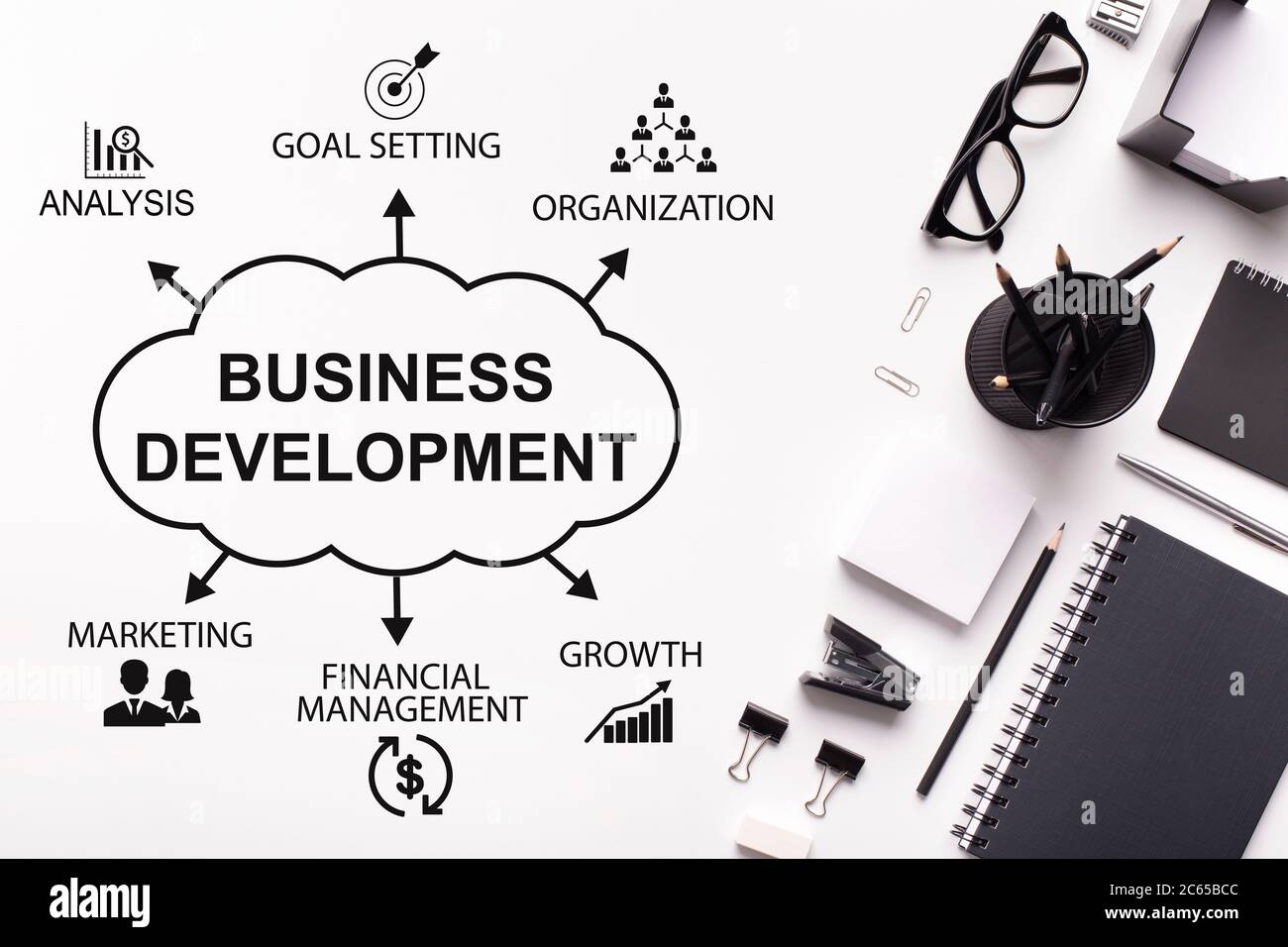
In today’s fast-paced and highly competitive business environment, business networking has become more important than ever. With markets constantly evolving and customer expectations rising, businesses can no longer rely solely on traditional marketing or sales strategies. Networking plays a vital role in building relationships, creating opportunities, and ensuring long-term business growth. Business networking involves connecting with professionals, entrepreneurs, clients, and industry leaders to exchange ideas, share knowledge, and explore potential collaborations. These connections help businesses gain visibility and credibility in the marketplace. When people know and trust a business, they are more likely to recommend its products or services, making networking a powerful source of referrals and new leads.
• TMN Editorial
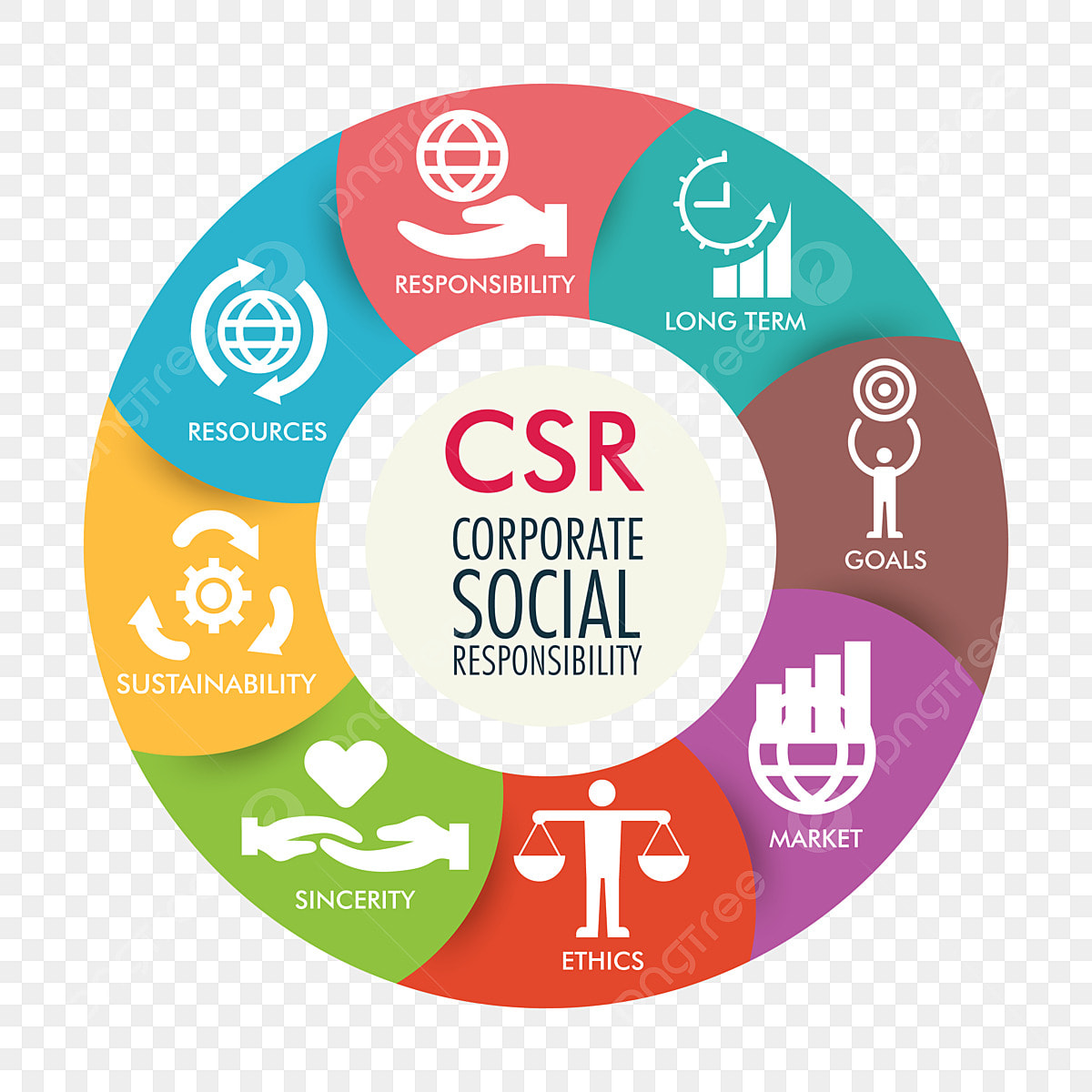
Corporate Social Responsibility (CSR) has become an integral part of modern business strategy. In today’s socially conscious market, businesses are no longer evaluated solely on financial performance but also on their impact on society and the environment. CSR refers to a company’s commitment to operate ethically, contribute to economic development, and improve the quality of life of employees, communities, and society at large. One of the most significant impacts of CSR on business is enhanced brand reputation. Consumers are increasingly aware of social and environmental issues and prefer to support companies that demonstrate responsible behavior. Businesses that actively engage in CSR initiatives build a positive public image, which strengthens customer trust and loyalty. A strong reputation not only attracts customers but also differentiates a company from its competitors.

• TMN Editorial
Financial planning is one of the most critical elements for ensuring long-term business stability and success. In an increasingly competitive and unpredictable business environment, organizations must manage their finances effectively to survive, grow, and adapt to change. Financial planning involves forecasting income and expenses, managing cash flow, allocating resources wisely, and preparing for potential risks. Without a structured financial plan, even profitable businesses can face instability. One of the primary benefits of financial planning is improved cash flow management. Cash flow is the lifeline of any business, as it ensures that day-to-day operations run smoothly. Through proper budgeting and forecasting, businesses can anticipate periods of high and low cash flow and plan accordingly. This helps prevent liquidity shortages, delayed payments, and operational disruptions. A stable cash flow allows businesses to meet obligations such as salaries, supplier payments, and taxes on time. Financial planning also supports informed decision-making. When businesses have a clear understanding of their financial position, they can make strategic decisions with confidence
• TMN Editorial
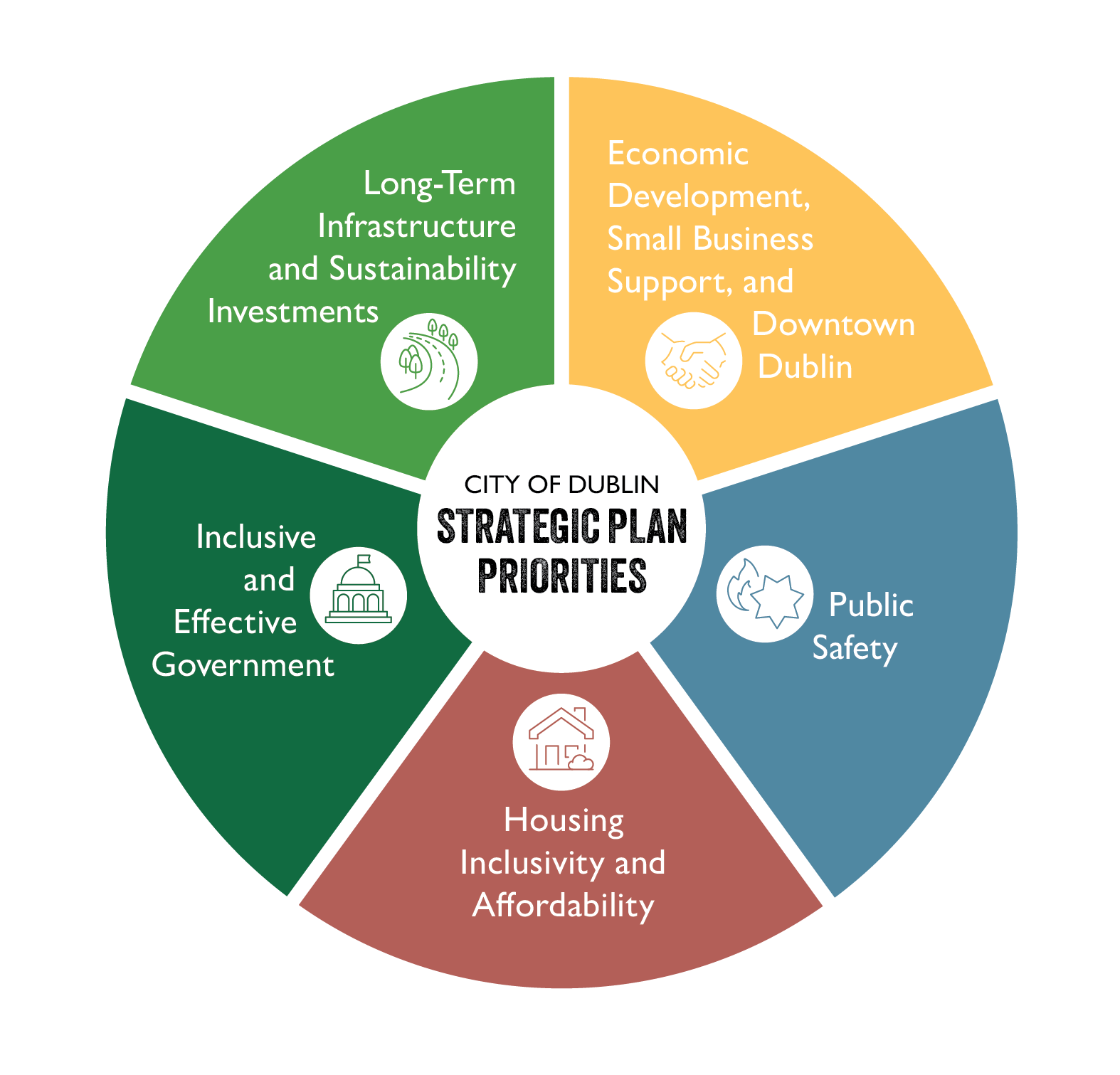
Strategic planning plays a vital role in ensuring long-term success and stability for any organization. For members of Top Management Network, adopting a well-structured strategic approach helps businesses align their vision, resources, and actions toward sustainable growth. Effective strategic planning begins with clearly defining the organization’s goals and understanding its current market position. Business leaders must analyze industry trends, evaluate internal strengths and weaknesses, and identify potential opportunities and risks. This process enables organizations to create practical and achievable strategies that support steady development. A strong strategic plan also focuses on efficient resource allocation, innovation, and continuous improvement. By setting measurable objectives and regularly reviewing progress, businesses can adapt to changing market conditions and remain competitive. Strategic planning encourages leaders to think long-term rather than focusing only on short-term results. Collaboration within the leadership team is equally important in the planning process. When key decision-makers work together to share insights and perspectives, it leads to better-informed strategies and stronger execution. Ultimately, strategic planning provides a clear roadmap for organization


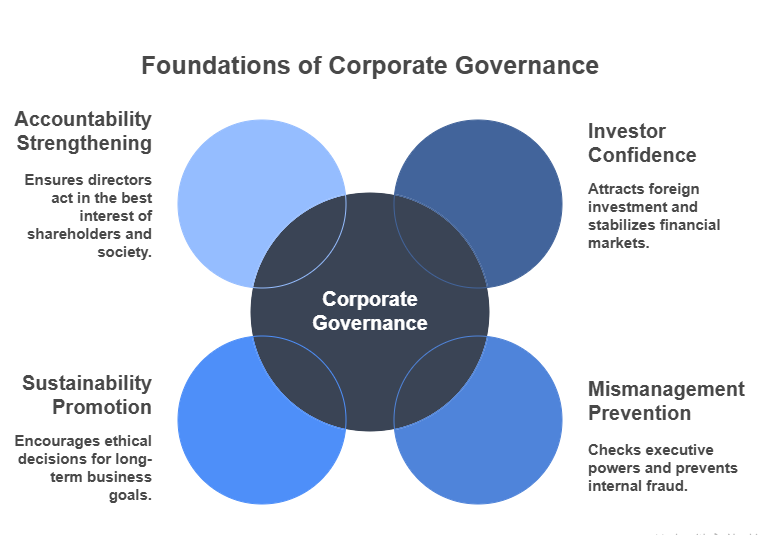
Investor confidence is one of the most valuable assets a business can cultivate. Whether s...
Innovation Management is the strategic process of transforming ideas into valuable solutio...

Artificial intelligence is transforming the way organizations attract, develop, and retain...
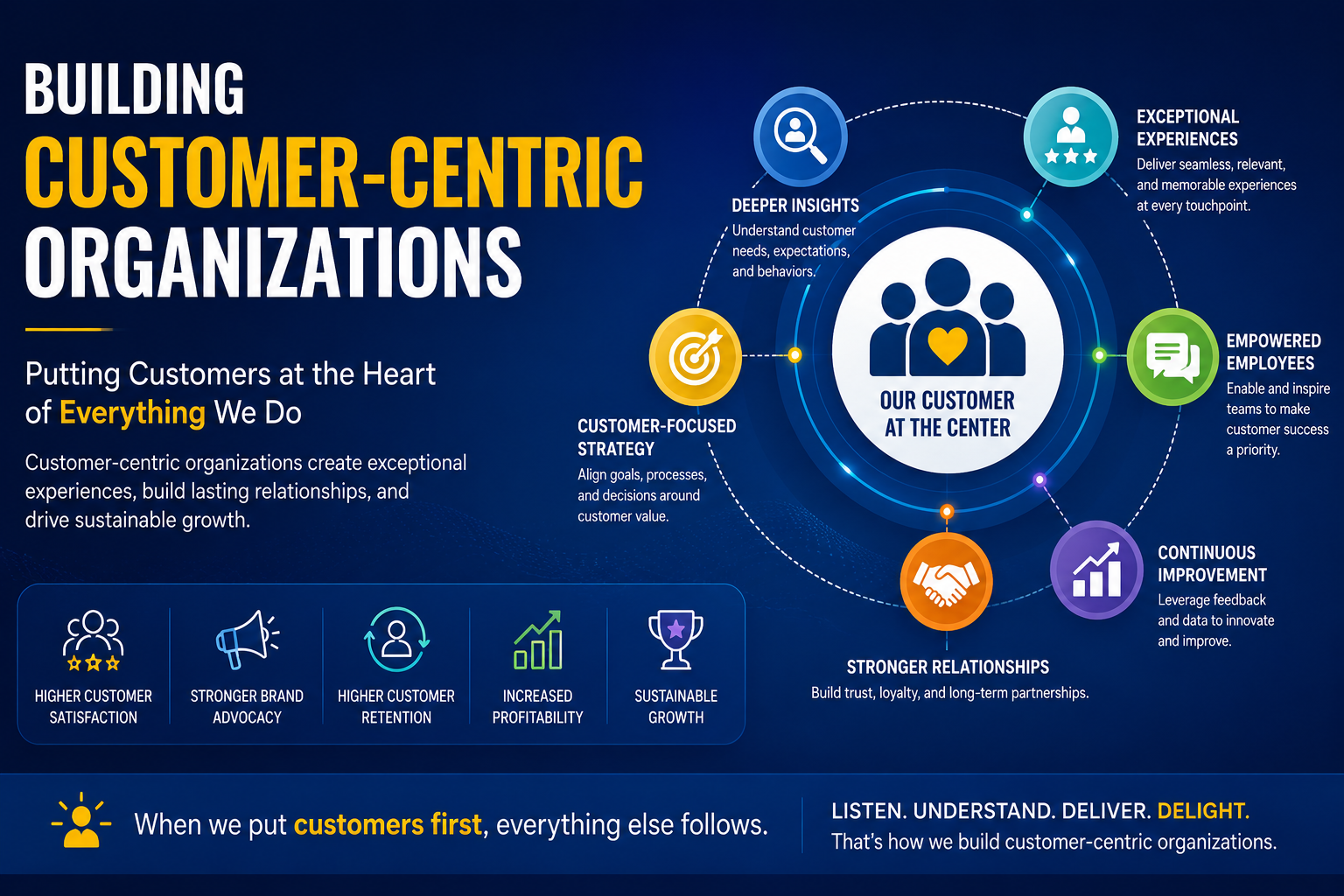
In today's highly competitive business environment, organizations that place customers at...