
July 02, 2026 • TMN Editorial
A key driver of investor confidence is a well-defined business strategy. Investors look for companies with a clear vision, a scalable business model, and a sustainable competitive advantage. Demonstrating a thorough understanding of market opportunities, customer needs, and industry trends reassures investors that the business is prepared for long-term success rather than short-term gains. Financial discipline also plays a crucial role. Accurate financial reporting, healthy cash flow management, realistic revenue forecasts, and prudent cost controls reflect operational maturity. Investors appreciate businesses that maintain strong governance practices and openly communicate both achievements and challenges. Honest reporting builds credibility and fosters long-term relationships. Leadership quality is another decisive factor. A capable management team with relevant industry expertise, a proven track record, and the ability to execute strategic plans significantly strengthens investor confidence. Businesses that emphasize innovation, adaptability, and risk management demonstrate resilience in an ever-changing economic environment.
June 23, 2026 • TMN Editorial
Innovation Management is the strategic process of transforming ideas into valuable solutions that drive business growth, operational efficiency, and competitive advantage. In today's rapidly evolving business landscape, organizations must continuously innovate to adapt to changing customer expectations, technological advancements, and market dynamics. Future-ready organizations foster a culture that encourages creativity, collaboration, and continuous improvement. By implementing structured innovation frameworks, businesses can identify emerging opportunities, develop new products and services, optimize processes, and respond proactively to industry disruptions. Effective innovation management also involves leveraging technologies such as Artificial Intelligence, data analytics, automation, and digital platforms to accelerate growth and improve decision-making. Organizations that prioritize innovation are better positioned to enhance customer experiences, increase operational agility, and maintain long-term sustainability. Strong leadership, employee engagement, and a willingness to embrace change are essential components of successful innovation strategies
June 22, 2026 • TMN Editorial
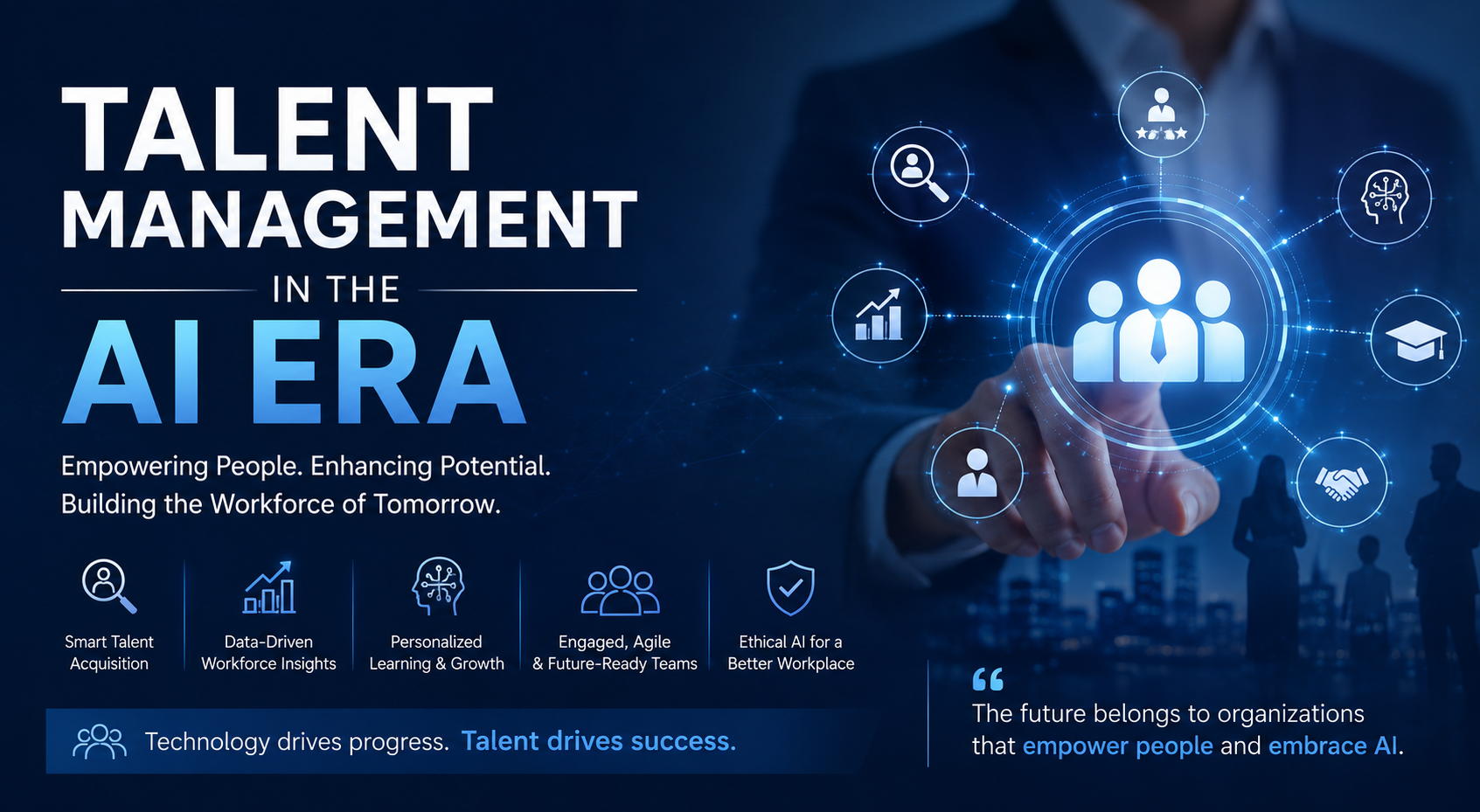
Artificial intelligence is transforming the way organizations attract, develop, and retain talent. As businesses embrace automation, data analytics, and intelligent technologies, talent management has evolved from a traditional HR function into a strategic driver of organizational success. In the AI era, companies must balance technological innovation with human potential to build agile, resilient, and future-ready workforces. AI-powered tools are streamlining recruitment by identifying qualified candidates, reducing hiring bias, and improving the efficiency of talent acquisition. Predictive analytics enables organizations to assess workforce trends, identify skill gaps, and make informed decisions about succession planning and employee development. Personalized learning platforms also empower employees to upskill and reskill at their own pace, ensuring they remain competitive in an evolving job market. However, technology alone cannot create a thriving workforce. Human skills such as creativity, emotional intelligence, collaboration, adaptability, and ethical decision-making remain essential for long-term success. Organizations that foster continuous learning, encourage innovation, and provide meaningful career growth opportunities are better positioned to retain top talent and enhance employee engagement.
June 22, 2026 • TMN Editorial
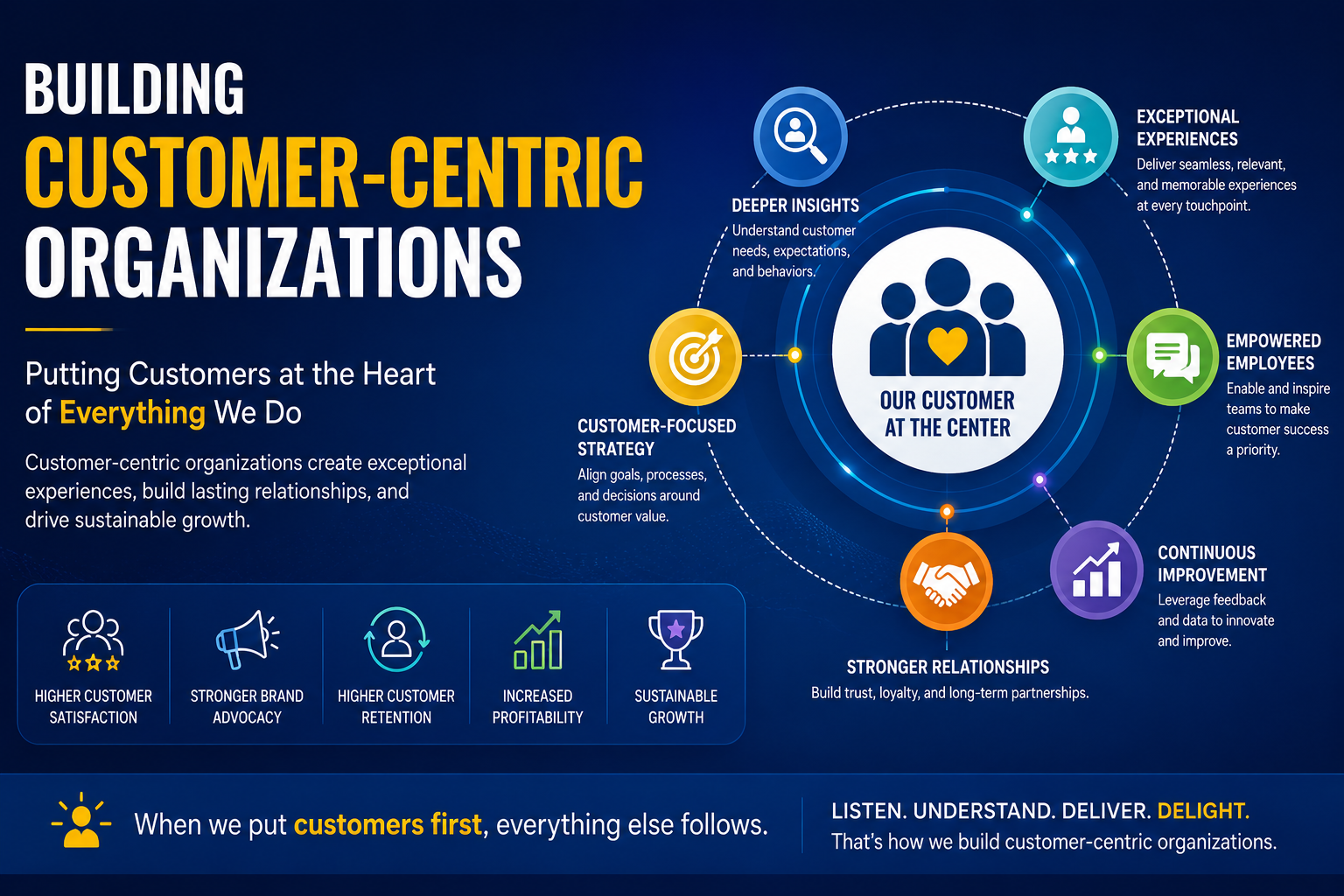
n today's highly competitive business environment, organizations that place customers at the center of their strategies are more likely to achieve sustainable growth and long-term success. Building a customer-centric organization goes beyond delivering quality products or services—it involves creating a culture where every decision, process, and innovation is driven by the goal of enhancing customer value and satisfaction. A customer-centric approach begins with understanding customer needs, preferences, and expectations. By leveraging data analytics, customer feedback, and market research, businesses can gain valuable insights into consumer behavior and tailor their offerings accordingly. Personalization, seamless customer experiences, and proactive engagement have become essential differentiators that strengthen customer loyalty and improve brand reputation. Technology plays a crucial role in enabling customer-centricity. Customer Relationship Management (CRM) systems, artificial intelligence, and automation empower organizations to provide faster support, personalized recommendations, and consistent communication across multiple channels. However, technology should complement—not replace—the human element. Empathetic customer service, active listening, and genuine relationship-building remain critical components of exceptional customer experiences.
June 17, 2026 • TMN Editorial
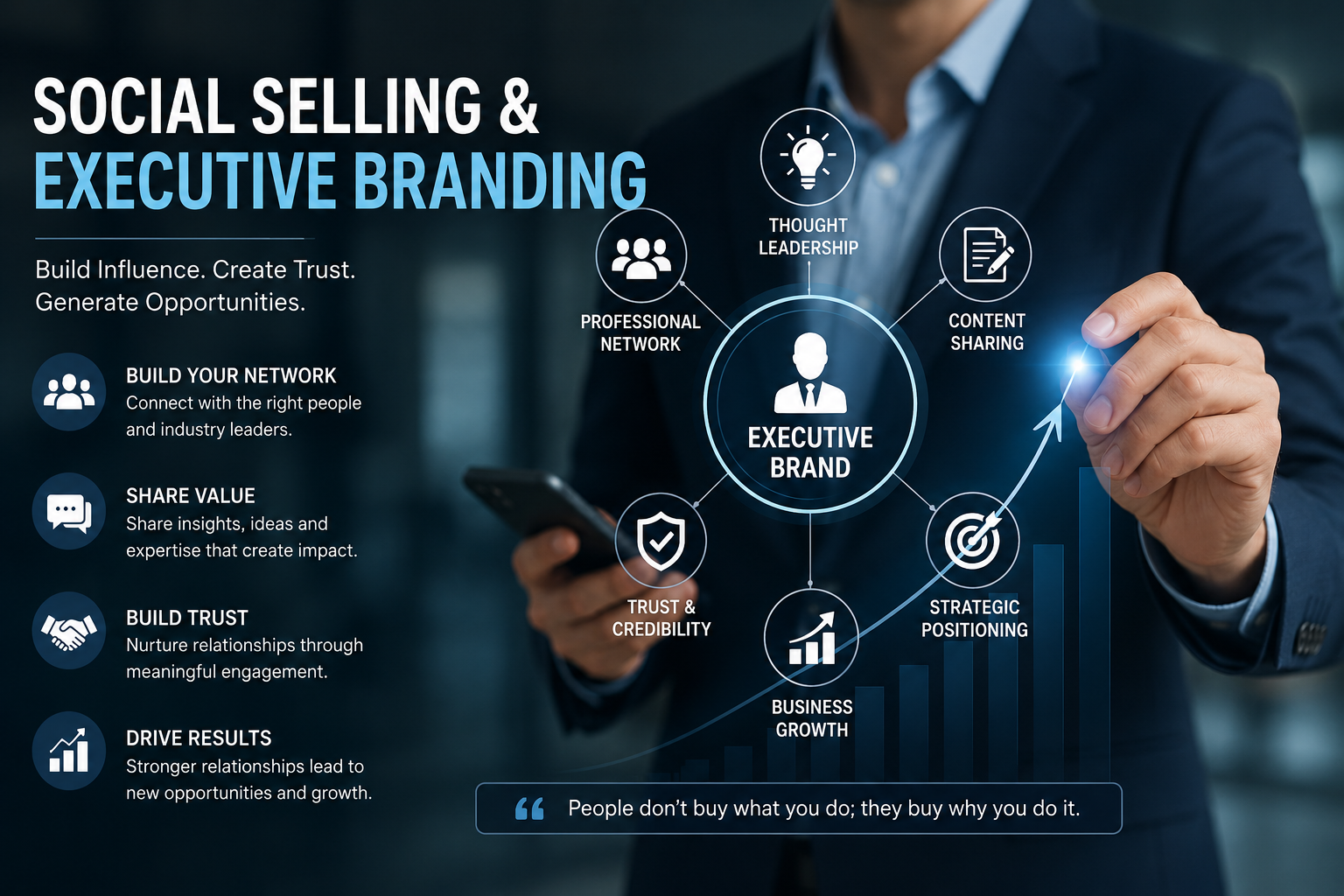
In today's digital-first business environment, decision-makers no longer rely solely on traditional sales methods to build relationships or generate opportunities. Instead, they turn to professional platforms, thought leadership, and meaningful online engagement to establish trust before initiating business conversations. This shift has made social selling and executive branding essential components of modern business growth. Social selling is the practice of leveraging social media platforms—particularly professional networks—to identify prospects, engage with industry peers, share valuable insights, and nurture long-term business relationships. Rather than focusing on direct selling, it emphasizes providing value, building credibility, and positioning oneself as a trusted advisor. By consistently sharing relevant content, participating in discussions, and understanding customer needs, professionals can create stronger connections that often lead to higher-quality business opportunities. Executive branding complements this approach by establishing a leader's professional identity and reputation. CEOs, founders, directors, and senior executives who actively communicate their expertise, business vision, and industry knowledge become influential voices within their sectors. A strong executive brand enhances organizational credibility, attracts partnerships, inspires employees, and builds confidence among customers, investors, and stakeholders.
Investor confidence is one of the most valuable assets a business can cultivate. Whether s...
Innovation Management is the strategic process of transforming ideas into valuable solutio...
Artificial intelligence is transforming the way organizations attract, develop, and retain...
In today's highly competitive business environment, organizations that place customers at...